


Brockville
Kingston
330 Laurier Blvd.
Ontario
K6V 7L9
+1 613 345 1991
25 Railway St.
Ontario
K7K 2L7
+1 613 546 6663
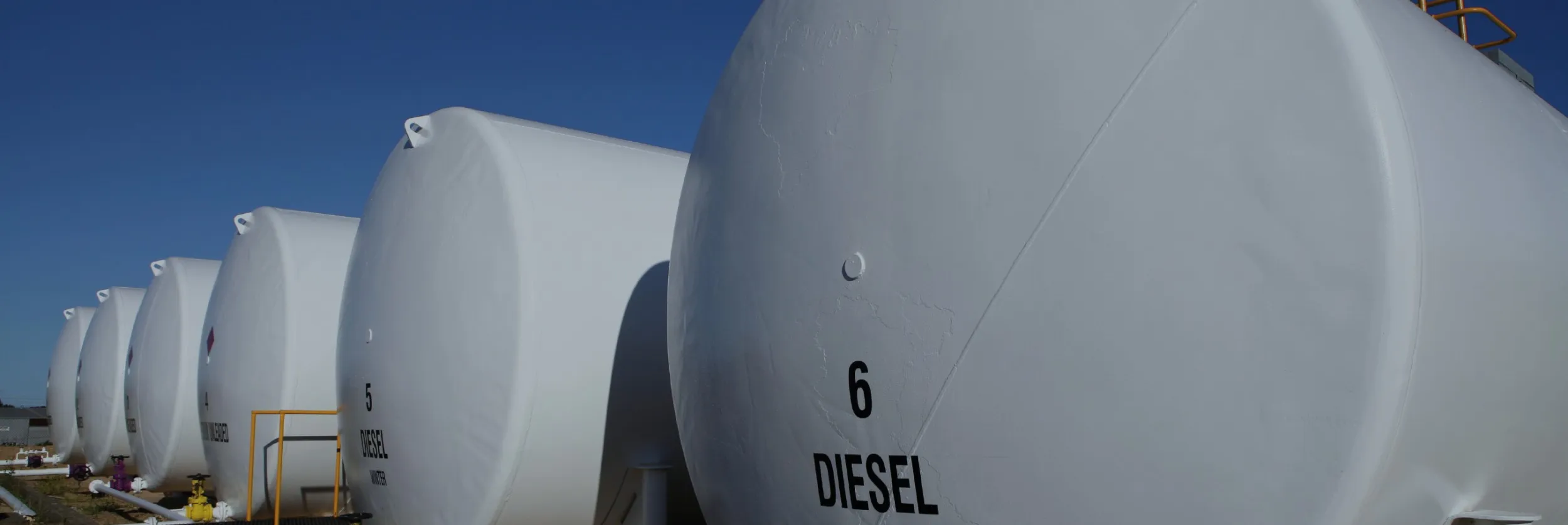
Working with fuels and other hazardous materials requires a thorough understanding of their characteristics and potential dangers. Diesel fuel is typically stored in liquid form, but it can produce vapors and noxious fumes. When burned in diesel engines, it generates exhaust by-products. Each of these elements must be considered to ensure diesel fuel is managed safely and effectively.
• Working With Diesel Fuel: Introduction to the fundamental practices and procedures for safely managing diesel fuel in a workplace setting.
• Regulatory – TSSA: Overview of regulations and standards established by the Technical Standards and Safety Authority (TSSA) as they pertain to diesel fuel.
• What is Diesel: Explanation of diesel fuel, including its definition and distinguishing features.
• Diesel vs. Gas: Comparison of diesel fuel with gasoline, highlighting key differences in properties and uses.
• How Diesel Works: Outline of how diesel engines operate using diesel fuel and the resulting by-products.
• GHS – WHMIS as it Relates to Diesel: Discussion of the Globally Harmonized System (GHS) and Workplace Hazardous Materials Information System (WHMIS) requirements for diesel fuel.
• TDG – as it Relates to Diesel: Summary of Transportation of Dangerous Goods (TDG) regulations relevant to diesel fuel handling and transport.
• Appearance - Properties: Description of diesel fuel’s physical appearance and key properties.
• First Aid: Procedures for providing first aid in the event of exposure to diesel fuel.
• PPE: Guidance on the selection and use of Personal Protective Equipment when handling diesel fuel.
• Storage and Handling: Best practices for the safe storage and handling of diesel fuel in the workplace.
• Do’s and Don’ts: List of recommended actions and behaviors, as well as practices to avoid when working with diesel fuel.


